ASL Electrical Cables: Powering Reliable and Safe Electrical Systems in Kenya
In Kenya, as in many parts of the world, electrical infrastructure is a critical element in supporting everyday life and business operations. From powering homes and industries to supporting renewable energy systems, quality electrical cables are at the core of all electrical systems. ASL Electrical Cables has emerged as a trusted leader in the manufacture and supply of high-quality electrical cables in Kenya, ensuring that every project, whether residential, commercial, or industrial, is powered safely and efficiently.
1. Why Choose ASL Electrical Cables?
ASL Electrical Cables has established a reputation for producing cables that meet both local and international standards for safety, performance, and reliability. Here are a few reasons why ASL cables are a preferred choice for electrical installations in Kenya:
Compliance with International Standards: ASL cables are manufactured to meet strict safety and quality standards, ensuring that each product is reliable and safe to use in various applications. ASL products adhere to global standards, such as IEC (International Electrotechnical Commission) and KEBS (Kenya Bureau of Standards).
Wide Range of Cables: Whether you need cables for residential wiring, industrial applications, or heavy-duty electrical projects, ASL offers a broad range of products. From low-voltage power cables to specialized cables for renewable energy solutions like solar systems, ASL provides comprehensive options that suit every need.
Durability and Longevity: ASL cables are designed for long-lasting performance. With features like flame retardancy, weather resistance, and excellent insulation properties, they ensure a longer lifespan, reducing the need for frequent replacements and minimizing maintenance costs.
2. The Variety of ASL Electrical Cables
ASL offers a diverse range of electrical cables, each designed for specific applications. Whether for light residential wiring or powering large industrial equipment, ASL cables are engineered to perform reliably under different conditions.
Power Cables: ASL manufactures a variety of power cables suitable for both low-voltage and high-voltage applications. These cables are ideal for residential, commercial, and industrial use, providing a stable and efficient power supply.
Wiring Cables: From simple household wiring to more complex systems in commercial buildings, ASL’s wiring cables are flexible, durable, and safe for installation in walls, ceilings, and floors.
Armored Cables: For installations that require extra protection, ASL offers armored cables. These are designed to withstand mechanical damage, making them ideal for industrial environments or areas with high foot traffic or risk of physical impact.
Solar Cables: With the growing interest in renewable energy, ASL has expanded its product range to include high-quality solar cables. These cables are specifically designed to handle the unique demands of solar power systems, offering UV resistance, durability, and safe power transmission in outdoor conditions.
PVC Insulated Cables: PVC-insulated cables are widely used due to their flexibility, affordability, and high insulating properties. ASL’s PVC cables are perfect for various residential, commercial, and industrial applications, providing safe and reliable connections.
3. Quality Assurance and Testing
The quality of electrical cables is critical for safety, especially when dealing with high-voltage applications. ASL Electrical Cables employs strict quality control procedures to ensure that their products are safe and reliable:
Rigorous Testing: Each batch of cables undergoes extensive testing to ensure they meet international safety and quality standards. Tests include checks for insulation integrity, electrical conductivity, flame resistance, and mechanical durability.
Advanced Manufacturing Processes: ASL uses state-of-the-art technology in the production of their cables, which includes automated machinery for precise manufacturing. This ensures consistent product quality with every batch.
Quality Certifications: ASL’s electrical cables are certified by various local and international bodies, including KEBS (Kenya Bureau of Standards), IEC, and ISO. These certifications confirm that ASL products comply with global safety and environmental standards, providing peace of mind to customers.
4. Applications of ASL Electrical Cables
ASL Electrical Cables are used across a variety of sectors, powering everything from homes to large-scale industrial operations. Here’s a look at how ASL cables are used in different applications:
Residential Wiring: ASL provides the right cables for home installations, from lighting to power distribution systems. Their cables ensure safe and reliable electricity in homes, minimizing electrical hazards.
Commercial Buildings: In office buildings, shopping malls, and hotels, ASL electrical cables are used for powering lighting, elevators, HVAC systems, and security systems. The durability and flexibility of these cables ensure smooth and efficient operation of commercial facilities.
Industrial Use: ASL’s industrial-grade cables are built to withstand heavy-duty applications. These include powering machinery, equipment, and automation systems in factories, warehouses, and processing plants. The cables are designed to be resistant to chemical exposure, heat, and mechanical stress, ensuring maximum safety and longevity.
Renewable Energy Systems: ASL cables are widely used in solar panel installations, providing the essential power connections between solar panels, inverters, and battery storage systems. These cables are specially designed to withstand UV exposure and outdoor weather conditions.
5. The ASL Advantage
Choosing ASL Electrical Cables for your project ensures several advantages:
Expert Guidance: ASL offers technical support and guidance to help customers choose the right cables for their specific needs. Whether you’re an electrician, contractor, or homeowner, their team is ready to assist with product selection and installation advice.
Competitive Pricing: ASL offers competitive pricing without compromising on quality. Their affordable cables make them an attractive option for both small and large-scale projects.
Fast Delivery: With a strong distribution network in Kenya, ASL ensures that customers receive their cables promptly. This is especially important for construction projects that are on a tight schedule.
Eco-Friendly Practices: ASL is committed to environmental sustainability, employing eco-friendly manufacturing processes and using recyclable materials where possible. This is part of their effort to reduce the environmental impact of electrical installations in Kenya.
6. Conclusion
ASL Electrical Cables has built a strong reputation in Kenya for delivering high-quality, reliable, and safe electrical cables. Whether you’re powering a home, office, factory, or solar installation, ASL offers a wide range of cables designed to meet your needs. With their commitment to safety, durability, and customer satisfaction, ASL remains a leading choice for anyone in need of electrical cables in Kenya.
For more information about ASL Electrical Cables and to view their range of products, visit ASL Cable & Wire. Power your projects with ASL, where quality meets safety and efficiency.
Sustainable Cabling in Kenya: Building a Greener Future
As Kenya continues to grow economically and technologically, the demand for electrical infrastructure has surged. However, with this growth comes the responsibility to adopt sustainable practices, particularly in the electrical sector. Sustainable cabling is crucial in reducing environmental impact while ensuring efficient energy transmission. Here’s how the concept of sustainable cabling is shaping the future of Kenya’s electrical industry and why companies like ASL Wire & Cable are leading the way.
1. Why Sustainable Cabling Matters
Sustainable cabling goes beyond functionality; it involves manufacturing, using, and disposing of cables in an environmentally friendly way. Here are some key reasons why sustainable cabling is essential:
Reducing Carbon Footprint: Traditional cable production often relies on energy-intensive processes and materials that contribute to carbon emissions. Sustainable alternatives focus on eco-friendly materials and energy-efficient manufacturing.
Improving Efficiency: High-quality, eco-friendly cables can enhance energy efficiency, reducing the amount of energy lost during transmission. This not only saves costs but also lowers overall energy consumption.
Minimizing Waste: Choosing recyclable and biodegradable materials helps minimize the environmental impact at the end of the cable’s lifecycle. Proper disposal and recycling of old cables prevent landfills from accumulating hazardous waste.
2. Key Features of Sustainable Cables
Sustainable cables are designed with specific features to ensure they are both eco-friendly and effective. Here’s what makes a cable sustainable:
Eco-Friendly Materials: Sustainable cables often use materials like halogen-free plastics that reduce harmful emissions in case of fire. Recyclable and biodegradable components also minimize the environmental impact.
Energy-Efficient Conductors: Using high-quality copper or aluminum conductors that require less energy to produce and recycle contributes to sustainability. Such materials also ensure efficient energy transmission with minimal loss.
Durability and Longevity: Sustainable cables are built to last longer, reducing the need for frequent replacements. This means fewer cables in landfills and less resource consumption for production.
3. The Rise of Sustainable Cabling in Kenya
Kenya is witnessing a shift towards more sustainable practices across various industries, and the electrical sector is no exception. Factors driving the rise of sustainable cabling in the country include:
Government Policies and Regulations: Kenya’s commitment to environmental sustainability has led to stricter regulations for manufacturers. This encourages the production of cables that meet international eco-friendly standards.
Consumer Awareness: Increasing awareness among consumers and businesses about the environmental impact of their choices has fueled the demand for sustainable products, including cables.
Technological Advancements: Innovations in the cable industry are making it easier to produce sustainable cables without compromising on quality and performance.
4. How ASL Wire & Cable is Leading the Sustainability Charge
ASL Wire & Cable, a prominent player in Kenya’s cabling industry, is at the forefront of promoting sustainable cabling. Here’s how they’re contributing to a greener future:
Commitment to Eco-Friendly Manufacturing: ASL Wire & Cable is dedicated to minimizing its carbon footprint by adopting energy-efficient manufacturing processes and using eco-friendly materials.
Quality and Longevity: The cables produced by ASL Wire & Cable are known for their durability and longevity, ensuring that installations last longer, which reduces the need for frequent replacements.
Recyclable and Halogen-Free Cables: ASL Wire & Cable offers a range of recyclable and halogen-free cables, reducing the environmental impact without compromising safety and performance.
Industry Leadership: By adhering to international standards and local regulations, ASL Wire & Cable is setting a benchmark for sustainability in the Kenyan cabling industry, promoting best practices that other manufacturers are beginning to follow.
5. Benefits of Sustainable Cables for Kenya
Sustainable cabling offers numerous advantages for Kenya’s future:
Environmental Protection: By reducing the use of harmful materials and increasing the recyclability of cables, the overall environmental footprint is minimized.
Cost Savings: Energy-efficient cables lead to reduced power consumption, resulting in lower electricity bills and long-term savings for both households and businesses.
Supporting Renewable Energy: Sustainable cables are essential for the efficient transmission of renewable energy from sources like solar and wind, which are becoming more prominent in Kenya’s energy mix.
Boosting the Local Economy: A focus on sustainability encourages local manufacturers to adopt green practices, creating new opportunities and jobs in the sector.
6. Challenges and Opportunities in Sustainable Cabling
While the shift to sustainable cabling is promising, challenges remain:
Cost of Eco-Friendly Materials: The initial investment in sustainable cables can be higher than traditional options, though long-term savings often offset the costs.
Consumer Awareness: Continued education is needed to inform consumers and businesses about the benefits of sustainable cables and how they contribute to a greener environment.
Technological Barriers: Some advanced sustainable materials require new technologies, which can be a barrier for smaller manufacturers.
Despite these challenges, the opportunities for growth and environmental impact are substantial. Investing in sustainable cabling today will pave the way for a more eco-friendly and efficient tomorrow.
7. Conclusion
Sustainable cabling in Kenya is not just a trend; it’s a necessity for a greener future. As the country strives to balance development with environmental responsibility, choosing sustainable cables is a step in the right direction. Companies like ASL Wire & Cable are leading the charge, providing quality, eco-friendly options that meet the needs of modern installations while protecting the environment. Embracing sustainable cabling practices today will ensure a safer, more efficient, and environmentally friendly Kenya for future generations.
Guide to Choosing Quality Electrical Cables in Kenya
In Kenya, selecting high-quality electrical cables is essential for ensuring both safety and durability in any electrical installation. Quality cables reduce risks like electrical fires and power losses while ensuring efficient power distribution. Here’s a look at how to identify quality electrical cables in Kenya and why ASL Cables, a trusted brand, is a top choice for many.
1. Importance of Quality Electrical Cables
Electrical cables are the backbone of any electrical system, and quality matters. High-quality cables:
Enhance Safety: They minimize fire hazards by ensuring proper insulation, flame retardancy, and resistance to heat and moisture.
Boost Efficiency: Quality cables help maintain efficient power transmission with minimal energy losses, reducing electricity costs.
Longevity: With quality materials, these cables last longer, reducing the need for frequent replacements.
2. Key Factors in Choosing Quality Cables
When looking for quality electrical cables in Kenya, consider the following factors:
Material Composition: High-quality copper or aluminum conductors offer better conductivity and less resistance. ASL Cables, for example, specializes in premium copper cables, known for their high conductivity and longevity.
Insulation Quality: Cable insulation affects its ability to handle voltage and resist environmental factors like moisture, heat, and rodents. Flame retardant and anti-rodent cables are essential in many settings.
Compliance with Standards: Always check if the cable meets the Kenya Bureau of Standards (KEBS) and other international standards, ensuring it has been tested for quality and safety.
Manufacturer’s Reputation: Opt for cables from reputable manufacturers, such as ASL Cables, a company well-known for its reliability and commitment to quality.
3. Why Choose ASL Cables in Kenya
ASL Cables is one of Kenya’s leading suppliers of electrical cables, providing a range of high-quality options for residential, commercial, and industrial use. Here’s why ASL Cables stands out:
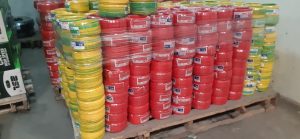
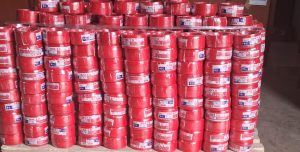
Wide Range of Products: ASL Cables offers a diverse selection, including PVC Insulated Non-Armored Flame Retardant Cables, Power Cables, and more. Each product is designed with specific safety and performance standards in mind, ensuring clients find the right fit for every project.
Innovative Features: ASL’s cables come with added protective features, such as anti-rodent properties, which protect installations from potential damage.
Proven Track Record: ASL Cables has earned industry recognition, such as the Kenya Quality Awards, for excellence in manufacturing standards, underscoring its commitment to quality and innovation.
Customer Support: The company is committed to providing guidance on choosing the right cables, ensuring customers receive products tailored to their project needs.
4. Applications of ASL Cables
From residential homes to industrial complexes, ASL Cables’ range includes products suited for various applications:
Residential Wiring: For home installations, ASL provides cables that ensure safety, especially in high-density urban areas where fire risk can be a concern.
Industrial and Commercial Use: Power cables for factories and commercial buildings must withstand higher currents and environmental exposure, and ASL’s cables are designed to meet these demanding requirements.
5. Conclusion
Choosing quality electrical cables in Kenya is crucial for safety, efficiency, and durability. ASL Cables, with its commitment to excellence, offers a range of cables designed to meet local standards and customer needs. For anyone looking for reliable, long-lasting, and high-performing cables, ASL Cables is a brand that delivers.
For more information on quality electrical cables in Kenya, visit ASL Cables.
Cables for Sale in Nairobi, Kenya: Quality Electrical Solutions from ASL Cables
In today’s world, the need for reliable electrical solutions has never been more critical. Whether you’re setting up electrical systems for residential, commercial, or industrial projects, having high-quality, durable, and safe cables is essential. The right cable selection can ensure the safety, efficiency, and longevity of your electrical installations.
Based in Nairobi, Kenya, ASL Cables is a trusted manufacturer and supplier of top-tier electrical cables and related products. With a wide range of cable solutions to cater to different applications, ASL Cables has built a reputation for delivering exceptional quality to meet local market needs. From simple home wiring to complex industrial systems, we have a solution for everyone.
Why Choose ASL Cables?
As a leading cable manufacturer in Kenya, ASL Cables prioritizes quality, safety, and customer satisfaction. We manufacture our cables locally, adhering to both local and international safety standards. Our wide range of products ensures that we can meet any electrical requirement, no matter how complex or specialized.
Here’s why ASL Cables should be your first choice for electrical cables in Nairobi:
Locally Manufactured: ASL Cables manufactures cables within Kenya, ensuring quick delivery, faster availability, and adherence to local regulations.
Quality Materials: We use top-grade materials, including copper and aluminum, to ensure long-lasting performance and safety in all environments.
Wide Range of Products: From household wiring to industrial-grade cables, ASL Cables offers a variety of options tailored to different applications.
Expert Advice and Support: Our team of technical experts can provide guidance and support, ensuring you choose the right cable for your project.
Types of Cables Available at ASL Cables
At ASL Cables, we offer a comprehensive selection of electrical cables designed to meet a variety of needs across different industries. Here’s an overview of some of the key cable types and related products available for sale:
1. Single Core and Multi-Core Cables
Single core cables consist of one conductor (usually copper or aluminum) and are primarily used in simple electrical installations where current transmission is straightforward. These cables are typically used for wiring in homes and small commercial spaces.
Multi-core cables, on the other hand, have multiple insulated conductors bundled together within the same sheath. These cables are ideal for more complex systems where multiple circuits or signals need to be transmitted simultaneously.
Applications:
Domestic wiring
Control systems
Industrial machines
Lighting circuits
2. Welding Cables
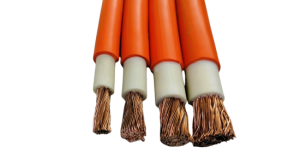
Welding cables are designed to provide a reliable connection between welding equipment and the electrode holder. These cables are highly flexible, durable, and able to withstand high temperatures and rough conditions typically encountered in welding applications.
Applications:
Welding machines
Heavy-duty industrial settings
Construction sites
3. Solar PV Cables
As the demand for renewable energy continues to grow, solar PV cables play an essential role in connecting solar panels to inverters and other electrical components. ASL Cables offers specialized solar cables that are resistant to UV rays, extreme weather conditions, and mechanical stress, ensuring long-term reliability.
Applications:
Solar energy systems
Off-grid solar installations
Solar farms
Residential solar panel setups
4. Twin with Earth & Twin Flat Cables
Twin cables consist of two insulated conductors enclosed in a single sheath. They are commonly used in household and commercial wiring applications where both conductors need to be routed together. Twin cables are particularly popular for lighting and power circuits.
Applications:
Domestic lighting
Small commercial power circuits
Electrical appliances
5. Submersible Cables
Submersible cables are specifically designed for use in environments where they will be submerged in water, such as in wells, water pumps, and underwater electrical systems. These cables are highly resistant to water, chemicals, and physical damage, ensuring reliability even in the most demanding conditions.
ASL submersible cables
Applications:
Submersible water pumps
Boreholes
Water treatment plants
Underwater lighting systems
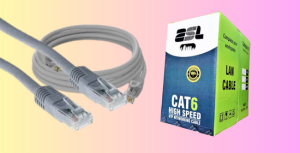
6. CAT 6 UTP Cables
Category 6 UTP (Unshielded Twisted Pair) cables are used in data and communication networks. They are designed to transmit high-speed data with minimal interference, making them ideal for applications requiring fast, reliable internet and network connections.
ASL cat 6 UTP cables
Applications:
Networking
Internet setups
Communication systems
Office and commercial buildings
7. Automobile & Battery Cables
Automobile and battery cables are engineered to withstand harsh environmental conditions, including extreme heat, cold, and exposure to oils and chemicals. These cables are used in automotive electrical systems, as well as in battery installations where durability and efficiency are key.
Applications:
Automotive electrical systems
Electric vehicles
Car battery connections
Other Products Offered by ASL Cables
In addition to our wide range of electrical cables, ASL Cables offers several other essential products that play a crucial role in electrical installations. These products ensure that your electrical system is not only functional but also safe and efficient.
1. Aluminum Overhead Conductors
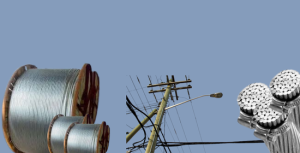
Aluminum conductors are widely used in overhead power distribution networks because of their lightweight, corrosion-resistant properties, and high electrical conductivity. ASL Cables offers high-quality aluminum conductors designed for outdoor power distribution in both urban and rural settings.
ASL aluminium overhead conductors
Applications:
Overhead power lines
Electrical distribution networks
Transmission towers
2. Copper Tape
Copper tape is often used in areas prone to lightning strikes. It serves as a reliable conductor for grounding systems and lightning protection. By safely directing lightning to the ground, copper tape prevents damage to buildings and electrical systems.
ASL Copper tape
Applications:
Grounding systems
Lightning protection
Surge protection systems
3. Enamel Winding Wire
Enamel winding wire is used in the manufacturing of motors, transformers, and other electrical equipment where coiling is required. This wire is coated with enamel insulation, allowing it to be wound tightly without short-circuiting. It is highly heat-resistant and offers excellent electrical conductivity.
Enamel winding wire
Applications:
Electric motors
Transformers
Generators
Inductors
4. PVC Conduits and Trunking
PVC conduits and trunking are essential for protecting cables in electrical installations. These products ensure that cables are safely routed, reducing the risk of electrical faults, damage, and fire hazards. ASL Cables provides durable PVC conduits and trunking that can be used in both residential and commercial settings.
ASL pvc trunking
ASL pvc conduits
Applications:
Cable management
Electrical wiring protection
Industrial and commercial installations
Residential electrical setups
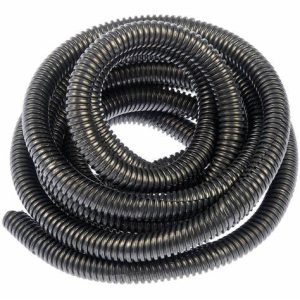
5. Flexible Conduits
Flexible conduits are used when the routing of cables requires frequent bending or movement. These conduits provide protection while allowing for flexibility, making them ideal for dynamic environments where cables need to be maneuvered through tight or complex spaces.
Applications:
Industrial machinery
Control systems
Electrical wiring in tight spaces
Benefits of Buying from ASL Cables
When you choose ASL Cables, you’re not only getting top-quality products, but you’re also investing in the safety and efficiency of your electrical installations. Here are the key benefits:
1. Locally Manufactured and Available Stock
Being a Kenyan company, ASL Cables manufactures and stocks its products locally, ensuring fast delivery times and easy availability for Nairobi customers and beyond.
2. High Standards of Quality
All our cables and products are designed to meet international and local standards, ensuring that they are both safe and reliable in any setting.
3. Expert Support
Our team of professionals is ready to offer guidance and technical support to ensure you find the right cable and accessories for your project.
4. Competitive Pricing
We offer high-quality products at competitive prices, giving you the best value for your investment without compromising on performance or safety.
Conclusion
If you’re in Nairobi, Kenya, and in need of reliable, high-quality electrical cables and related products, look no further than ASL Cables. Whether you’re setting up a small residential project or managing a large industrial installation, our locally manufactured cables and electrical accessories will meet your needs.
Explore our full range of cables, from single-core and multi-core cables to specialized welding, submersible, and solar PV cables. Additionally, we offer essential electrical products such as aluminum overhead conductors, copper tape, PVC conduits, and flexible conduits.
Visit our website at ASL Cables to browse our products, or contact us at 0719 767149 for expert advice and to place your order.
Top Benefits of Using Flex Cables for Complex Electrical Setups
In today’s dynamic electrical environments, flexibility is a key requirement, especially for complex setups. Whether you’re working in an industrial setting with heavy machinery or in a residential space that requires adaptable wiring, flex cables are the go-to solution. Flex cables, often called flexible cables, are designed for installations where cables need to bend, twist, or move frequently without breaking or losing integrity.
At ASL Cables, we specialize in providing high-quality flex cables for various applications. In this blog, we’ll explore the top benefits of using flex cables for complex electrical setups, highlighting why they are essential for modern electrical systems.
1. Enhanced Flexibility and Durability
The primary advantage of flex cables is, as the name suggests, their flexibility. These cables are made from multiple strands of thin copper wires twisted together, allowing them to bend easily without breaking. Unlike solid-core cables, which are more rigid, flex cables can withstand repeated movement, making them ideal for environments where the wiring will experience frequent motion.
This flexibility makes them perfect for:
Machinery and industrial equipment that requires constant movement
Portable devices and appliances that need to be plugged and unplugged frequently
Robotic arms and conveyor systems, which involve continuous motion
Not only do they offer flexibility, but they are also highly durable. The design of flex cables ensures that they are resistant to wear and tear, even in harsh environments where they may be exposed to chemicals, oil, or extreme temperatures.
2. Improved Safety in Moving Environments
When cables are forced to bend or move in environments where they are not designed for flexibility, there is a higher risk of cracks, breaks, or frays. This can lead to dangerous electrical faults, short circuits, or even fire hazards. Flex cables eliminate these risks by being specifically engineered for frequent movement and flexibility.
In complex setups such as industrial machinery, robotics, and automated systems, having cables that are designed to move with the equipment ensures:
Fewer instances of cable failure
Increased operational safety
Prolonged equipment lifespan
For any setup involving moving components, using flex cables significantly reduces the risk of mechanical strain or electrical hazards.
3. Versatility in Installation
One of the biggest challenges in complex electrical setups is managing the variety of installations and configurations. Flex cables provide versatility in such scenarios. They can be bent, twisted, or routed through tight spaces without compromising their performance. This adaptability makes them the perfect choice for:
Automated industrial systems that require precision in routing
Tight electrical enclosures where space is limited
Complex home installations such as smart home systems or home automation setups
The ability to easily maneuver flex cables through these tight and difficult-to-reach areas makes installation faster and more efficient, reducing downtime and labor costs.
4. High Resistance to Environmental Stressors
Flex cables are built with robust insulation materials that provide protection from environmental factors such as moisture, chemicals, oils, and even UV radiation. This makes them an excellent choice for both indoor and outdoor applications.
In industries like manufacturing, construction, and mining, where exposure to harsh environmental conditions is common, using flex cables ensures:
Long-term reliability
Reduced maintenance costs
Extended cable lifespan
Additionally, these cables are often fire-retardant, ensuring added protection in case of overheating or electrical malfunctions.
5. Optimized for High-Movement Applications
Flex cables are specifically designed for environments with high movement or vibration. In systems where machinery or equipment is in constant motion, such as cranes, elevators, or conveyor belts, the cables need to handle continuous stress without losing functionality. Flex cables have excellent resistance to mechanical stress, making them ideal for such applications.
The construction of flex cables ensures that:
The cable cores remain intact even after thousands of bending cycles
The insulation stays uniform, preventing any wear or tear that might compromise the safety of the electrical setup
This optimization for high-movement applications is crucial in industries that demand continuous, reliable performance.
6. Noise Reduction and Signal Integrity
In complex electrical setups where different types of equipment are operating simultaneously, electromagnetic interference (EMI) can be a significant issue. Flex cables are often designed to reduce noise and interference, ensuring that the signals transmitted through the cables remain intact and free from distortion.
By using flex cables, you can benefit from:
Reduced electrical noise, which is especially important for sensitive equipment
Enhanced signal integrity, ensuring that the data or power transmitted remains consistent and reliable
This feature makes flex cables ideal for automation systems, control panels, and communication networks where signal accuracy is critical.
7. Cost-Effectiveness in the Long Run
While flex cables may initially cost more than standard cables, they offer better value in the long run due to their durability and low maintenance requirements. Their ability to withstand repeated bending, environmental stress, and mechanical strain means fewer replacements and repairs, resulting in lower overall costs.
By investing in flex cables from ASL Cables, you are ensuring:
Longer cable life
Reduced downtime due to cable failure
Lower maintenance and replacement costs
In complex electrical systems where reliability is crucial, flex cables offer the best return on investment.
8. Customization for Specific Needs
At ASL Cables, we offer a wide variety of flex cables designed to meet the specific needs of various industries. From basic flexible control cables to highly specialized cables for automated machinery, we can provide customized solutions tailored to your specific requirements.
Whether you need cables for heavy-duty industrial applications or for more sensitive control systems, we offer:
Customized lengths and specifications
Various insulation materials suited to different environments
Cables designed for specialized applications, such as fire-retardant or waterproof cables
This ability to customize ensures that you’re getting the right product for your exact needs.
Conclusion
Flex cables are an essential component for complex electrical setups, offering unmatched flexibility, durability, and safety. Whether you’re working in an industrial environment with moving machinery or need a reliable cable solution for a home automation project, flex cables provide the versatility and performance necessary for long-term success.
At ASL Cables, we provide a wide range of flex cables designed to meet your specific requirements, ensuring optimal performance even in the most demanding environments. By choosing flex cables, you’re investing in a safer, more efficient, and cost-effective solution for your electrical systems.
To learn more or to get the right flex cable for your project, visit ASL Cables or call us at 0719 767149. Our expert team is ready to help you find the perfect cable solution for your needs.
The Difference Between Electrical Cables and Wires: What You Need to Know
When embarking on an electrical project, understanding the difference between cables and wires is critical for ensuring safety, efficiency, and longevity. While many people use the terms interchangeably, cables and wires are distinct in their design and purpose. At ASL Cables, we provide a wide range of premium cables, suitable for residential, commercial, and industrial applications, each carefully designed for optimal performance.
This blog will help clarify the key differences between electrical cables and wires, providing insight into their construction, uses, and how to choose the right product for your needs.
What Are Electrical Wires?
Electrical wires are single strands of conductive metal, such as copper or aluminum, that carry electrical current. Typically, these wires are insulated with a protective layer to prevent accidental contact and short circuits. In some cases, wires may be bare, especially in grounding applications.
Types of Electrical Wires
Single-Core Wires: Single-core wires consist of a single strand of metal, often used in simple, low-voltage residential installations. They are easier to manage for fixed wiring projects and have a lower chance of breakage due to fewer moving parts.Applications: Internal home wiring, control panels, and basic electrical systems.
Multi-Core Wires: These wires have multiple conductive cores bundled together, each individually insulated. Multi-core wires are commonly used for more complex systems that require several electrical paths within a single cable.Applications: Ideal for automation systems, industrial controls, and complex circuits.
Bare Conductors: Bare wires lack insulation and are used primarily for grounding electrical systems, ensuring a safe path for electricity in case of a fault.Applications: Grounding in electrical circuits, overhead power distribution, and bonding applications.
What Are Electrical Cables?
Electrical cables, unlike wires, consist of multiple conductors bundled together and covered with protective insulation. Each wire inside the cable can either be a solid or stranded conductor, depending on the application. Cables offer greater protection and versatility, making them suitable for environments where multiple wires need to be routed together, especially in harsh conditions or where high-performance is required.
At ASL Cables, we specialize in a variety of cables designed to handle different challenges across residential, commercial, and industrial settings.
Types of Electrical Cables Offered by ASL Cables
Flexible Cables: Flexible cables are designed for situations where frequent movement is required. These cables contain multiple strands of wire to offer enhanced flexibility and resistance to bending, making them perfect for portable equipment or installations where the cable needs to move frequently.Applications: Portable devices, industrial machinery, home appliances, and power tools.
Power Cables: Power cables are designed to handle high-current and high-voltage applications. They are used to transmit electricity over long distances, especially in industrial or outdoor environments. These cables are usually armored or sheathed to protect them from physical damage, moisture, and environmental stress.Applications: Power transmission and distribution in industrial, commercial, and residential settings.
Control Cables: Control cables are used to regulate electrical systems, providing precise control over power distribution in complex machinery or automation systems. These cables are insulated and reinforced to ensure stability, even in demanding environments.Applications: Industrial automation, HVAC systems, and conveyor systems.
Armoured Cables: Armoured cables are designed for the most demanding environments. With an additional layer of protection, typically made of steel or aluminum, these cables are used in environments where they may be subject to physical damage, such as underground or outdoor installations.Applications: Underground power distribution, outdoor electrical installations, and industrial machinery.
Flexible Conduit Systems: Flexible conduit systems are not cables per se, but they provide protection for cables and wires in environments where extra shielding is required. These conduits are designed to prevent physical damage and exposure to moisture or chemicals.Applications: Industrial settings, outdoor installations, and areas with harsh environmental conditions.
Key Differences Between Electrical Cables and Wires
While both cables and wires are used to carry electrical current, their construction and uses differ:
1. Number of Conductors:
Wires: Typically consist of a single conductor.
Cables: Are made up of multiple wires (conductors) bundled together, allowing for more complex installations that require several connections.
2. Insulation and Protection:
Wires: May be bare or have a single layer of insulation. Bare wires are often used in grounding, while insulated wires are ideal for home or small-scale applications.
Cables: Cables are made with several layers of insulation, sometimes with an additional protective sheath, such as armor, making them ideal for environments where additional protection is required.
3. Flexibility:
Wires: Solid wires are less flexible, but multi-core wires or stranded wires can offer some degree of flexibility.
Cables: Cables are designed for flexibility, especially flexible and multi-core options, making them ideal for moving machinery, portable devices, or industrial applications.
4. Usage:
Wires: Primarily used in simple installations like home electrical wiring, internal circuits, and basic electronic systems.
Cables: Used in more complex applications, including data transmission, power distribution, control systems, and outdoor environments.
Choosing Between Cables and Wires for Your Project
When deciding between cables and wires, there are several factors to consider:
1. The Environment:
If your installation is in a harsh environment, such as outdoors or underground, you will want a durable, protective solution like an armoured cable or a flexible conduit system. Cables offer more protection and can withstand physical damage and exposure to moisture, chemicals, or UV light.
2. Flexibility Needs:
If your installation involves frequent movement or requires the ability to bend without breaking, choose flexible cables. These are especially useful for industrial machinery or portable devices where cables may need to move continuously without degradation.
3. Power Requirements:
For high-current, high-voltage applications, power cables are the ideal solution. They are designed to handle larger electrical loads safely and efficiently, making them a better choice than standard wires.
4. Complexity of the Installation:
If your project requires the transmission of multiple signals or control over multiple systems, multi-core cables are your best bet. They allow you to bundle multiple wires into one cable, reducing clutter and simplifying installation.
Conclusion
Understanding the difference between electrical cables and wires is essential for any electrical project. Wires are perfect for simpler, low-voltage applications, while cables offer the protection, durability, and versatility required for more complex and high-performance installations.
At ASL Cables, we offer a diverse selection of power cables, control cables and more, each designed to meet your specific project needs. Whether you’re wiring a residential home or setting up a large industrial system, choosing the right cable or wire is key to ensuring efficiency, safety, and long-term performance.
For more information or to find the right cable for your project, contact ASL Wire & Cable. Our team is always ready to help you with all your electrical needs.