Sep 26, 2024 | Wire & cable |
Cables for Sale in Nairobi, Kenya: Quality Electrical Solutions from ASL Cables
In today’s world, the need for reliable electrical solutions has never been more critical. Whether you’re setting up electrical systems for residential, commercial, or industrial projects, having high-quality, durable, and safe cables is essential. The right cable selection can ensure the safety, efficiency, and longevity of your electrical installations.
Based in Nairobi, Kenya, ASL Cables is a trusted manufacturer and supplier of top-tier electrical cables and related products. With a wide range of cable solutions to cater to different applications, ASL Cables has built a reputation for delivering exceptional quality to meet local market needs. From simple home wiring to complex industrial systems, we have a solution for everyone.
Why Choose ASL Cables?
As a leading cable manufacturer in Kenya, ASL Cables prioritizes quality, safety, and customer satisfaction. We manufacture our cables locally, adhering to both local and international safety standards. Our wide range of products ensures that we can meet any electrical requirement, no matter how complex or specialized.
Here’s why ASL Cables should be your first choice for electrical cables in Nairobi:
- Locally Manufactured: ASL Cables manufactures cables within Kenya, ensuring quick delivery, faster availability, and adherence to local regulations.
- Quality Materials: We use top-grade materials, including copper and aluminum, to ensure long-lasting performance and safety in all environments.
- Wide Range of Products: From household wiring to industrial-grade cables, ASL Cables offers a variety of options tailored to different applications.
- Expert Advice and Support: Our team of technical experts can provide guidance and support, ensuring you choose the right cable for your project.
Types of Cables Available at ASL Cables
At ASL Cables, we offer a comprehensive selection of electrical cables designed to meet a variety of needs across different industries. Here’s an overview of some of the key cable types and related products available for sale:
1. Single Core and Multi-Core Cables
Single core cables consist of one conductor (usually copper or aluminum) and are primarily used in simple electrical installations where current transmission is straightforward. These cables are typically used for wiring in homes and small commercial spaces.
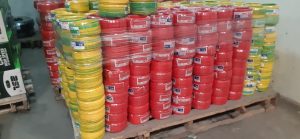
Multi-core cables, on the other hand, have multiple insulated conductors bundled together within the same sheath. These cables are ideal for more complex systems where multiple circuits or signals need to be transmitted simultaneously.
Applications:
- Domestic wiring
- Control systems
- Industrial machines
- Lighting circuits
2. Welding Cables
Welding cables are designed to provide a reliable connection between welding equipment and the electrode holder. These cables are highly flexible, durable, and able to withstand high temperatures and rough conditions typically encountered in welding applications.
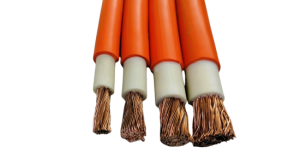
Applications:
- Welding machines
- Heavy-duty industrial settings
- Construction sites
3. Solar PV Cables
As the demand for renewable energy continues to grow, solar PV cables play an essential role in connecting solar panels to inverters and other electrical components. ASL Cables offers specialized solar cables that are resistant to UV rays, extreme weather conditions, and mechanical stress, ensuring long-term reliability.

Applications:
- Solar energy systems
- Off-grid solar installations
- Solar farms
- Residential solar panel setups
4. Twin with Earth & Twin Flat Cables
Twin cables consist of two insulated conductors enclosed in a single sheath. They are commonly used in household and commercial wiring applications where both conductors need to be routed together. Twin cables are particularly popular for lighting and power circuits.

Applications:
- Domestic lighting
- Small commercial power circuits
- Electrical appliances
5. Submersible Cables
Submersible cables are specifically designed for use in environments where they will be submerged in water, such as in wells, water pumps, and underwater electrical systems. These cables are highly resistant to water, chemicals, and physical damage, ensuring reliability even in the most demanding conditions.

ASL submersible cables
Applications:
- Submersible water pumps
- Boreholes
- Water treatment plants
- Underwater lighting systems
6. CAT 6 UTP Cables
Category 6 UTP (Unshielded Twisted Pair) cables are used in data and communication networks. They are designed to transmit high-speed data with minimal interference, making them ideal for applications requiring fast, reliable internet and network connections.
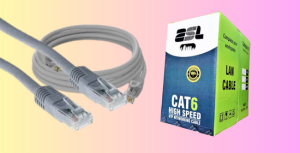
ASL cat 6 UTP cables
Applications:
- Networking
- Internet setups
- Communication systems
- Office and commercial buildings
7. Automobile & Battery Cables
Automobile and battery cables are engineered to withstand harsh environmental conditions, including extreme heat, cold, and exposure to oils and chemicals. These cables are used in automotive electrical systems, as well as in battery installations where durability and efficiency are key.
Applications:
- Automotive electrical systems
- Electric vehicles
- Car battery connections
Other Products Offered by ASL Cables
In addition to our wide range of electrical cables, ASL Cables offers several other essential products that play a crucial role in electrical installations. These products ensure that your electrical system is not only functional but also safe and efficient.
1. Aluminum Overhead Conductors
Aluminum conductors are widely used in overhead power distribution networks because of their lightweight, corrosion-resistant properties, and high electrical conductivity. ASL Cables offers high-quality aluminum conductors designed for outdoor power distribution in both urban and rural settings.
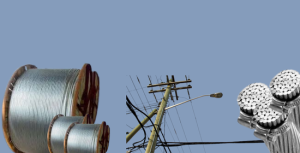
ASL aluminium overhead conductors
Applications:
- Overhead power lines
- Electrical distribution networks
- Transmission towers
2. Copper Tape
Copper tape is often used in areas prone to lightning strikes. It serves as a reliable conductor for grounding systems and lightning protection. By safely directing lightning to the ground, copper tape prevents damage to buildings and electrical systems.

ASL Copper tape
Applications:
- Grounding systems
- Lightning protection
- Surge protection systems
3. Enamel Winding Wire
Enamel winding wire is used in the manufacturing of motors, transformers, and other electrical equipment where coiling is required. This wire is coated with enamel insulation, allowing it to be wound tightly without short-circuiting. It is highly heat-resistant and offers excellent electrical conductivity.

Enamel winding wire
Applications:
- Electric motors
- Transformers
- Generators
- Inductors
4. PVC Conduits and Trunking
PVC conduits and trunking are essential for protecting cables in electrical installations. These products ensure that cables are safely routed, reducing the risk of electrical faults, damage, and fire hazards. ASL Cables provides durable PVC conduits and trunking that can be used in both residential and commercial settings.

ASL pvc trunking

ASL pvc conduits
Applications:
- Cable management
- Electrical wiring protection
- Industrial and commercial installations
- Residential electrical setups
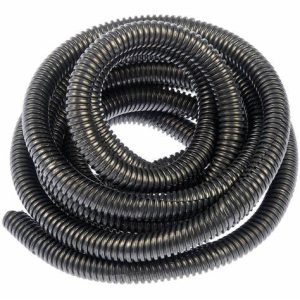
5. Flexible Conduits
Flexible conduits are used when the routing of cables requires frequent bending or movement. These conduits provide protection while allowing for flexibility, making them ideal for dynamic environments where cables need to be maneuvered through tight or complex spaces.
Applications:
- Industrial machinery
- Control systems
- Electrical wiring in tight spaces
Benefits of Buying from ASL Cables
When you choose ASL Cables, you’re not only getting top-quality products, but you’re also investing in the safety and efficiency of your electrical installations. Here are the key benefits:
1. Locally Manufactured and Available Stock
Being a Kenyan company, ASL Cables manufactures and stocks its products locally, ensuring fast delivery times and easy availability for Nairobi customers and beyond.
2. High Standards of Quality
All our cables and products are designed to meet international and local standards, ensuring that they are both safe and reliable in any setting.
3. Expert Support
Our team of professionals is ready to offer guidance and technical support to ensure you find the right cable and accessories for your project.
4. Competitive Pricing
We offer high-quality products at competitive prices, giving you the best value for your investment without compromising on performance or safety.
Conclusion
If you’re in Nairobi, Kenya, and in need of reliable, high-quality electrical cables and related products, look no further than ASL Cables. Whether you’re setting up a small residential project or managing a large industrial installation, our locally manufactured cables and electrical accessories will meet your needs.
Explore our full range of cables, from single-core and multi-core cables to specialized welding, submersible, and solar PV cables. Additionally, we offer essential electrical products such as aluminum overhead conductors, copper tape, PVC conduits, and flexible conduits.
Visit our website at ASL Cables to browse our products, or contact us at 0719 767149 for expert advice and to place your order.
Sep 26, 2024 | Wire & cable |
Top Benefits of Using Flex Cables for Complex Electrical Setups
In today’s dynamic electrical environments, flexibility is a key requirement, especially for complex setups. Whether you’re working in an industrial setting with heavy machinery or in a residential space that requires adaptable wiring, flex cables are the go-to solution. Flex cables, often called flexible cables, are designed for installations where cables need to bend, twist, or move frequently without breaking or losing integrity.
At ASL Cables, we specialize in providing high-quality flex cables for various applications. In this blog, we’ll explore the top benefits of using flex cables for complex electrical setups, highlighting why they are essential for modern electrical systems.

1. Enhanced Flexibility and Durability
The primary advantage of flex cables is, as the name suggests, their flexibility. These cables are made from multiple strands of thin copper wires twisted together, allowing them to bend easily without breaking. Unlike solid-core cables, which are more rigid, flex cables can withstand repeated movement, making them ideal for environments where the wiring will experience frequent motion.
This flexibility makes them perfect for:
- Machinery and industrial equipment that requires constant movement
- Portable devices and appliances that need to be plugged and unplugged frequently
- Robotic arms and conveyor systems, which involve continuous motion
Not only do they offer flexibility, but they are also highly durable. The design of flex cables ensures that they are resistant to wear and tear, even in harsh environments where they may be exposed to chemicals, oil, or extreme temperatures.
2. Improved Safety in Moving Environments
When cables are forced to bend or move in environments where they are not designed for flexibility, there is a higher risk of cracks, breaks, or frays. This can lead to dangerous electrical faults, short circuits, or even fire hazards. Flex cables eliminate these risks by being specifically engineered for frequent movement and flexibility.
In complex setups such as industrial machinery, robotics, and automated systems, having cables that are designed to move with the equipment ensures:
- Fewer instances of cable failure
- Increased operational safety
- Prolonged equipment lifespan
For any setup involving moving components, using flex cables significantly reduces the risk of mechanical strain or electrical hazards.
3. Versatility in Installation
One of the biggest challenges in complex electrical setups is managing the variety of installations and configurations. Flex cables provide versatility in such scenarios. They can be bent, twisted, or routed through tight spaces without compromising their performance. This adaptability makes them the perfect choice for:
- Automated industrial systems that require precision in routing
- Tight electrical enclosures where space is limited
- Complex home installations such as smart home systems or home automation setups
The ability to easily maneuver flex cables through these tight and difficult-to-reach areas makes installation faster and more efficient, reducing downtime and labor costs.
4. High Resistance to Environmental Stressors
Flex cables are built with robust insulation materials that provide protection from environmental factors such as moisture, chemicals, oils, and even UV radiation. This makes them an excellent choice for both indoor and outdoor applications.
In industries like manufacturing, construction, and mining, where exposure to harsh environmental conditions is common, using flex cables ensures:
- Long-term reliability
- Reduced maintenance costs
- Extended cable lifespan
Additionally, these cables are often fire-retardant, ensuring added protection in case of overheating or electrical malfunctions.
5. Optimized for High-Movement Applications
Flex cables are specifically designed for environments with high movement or vibration. In systems where machinery or equipment is in constant motion, such as cranes, elevators, or conveyor belts, the cables need to handle continuous stress without losing functionality. Flex cables have excellent resistance to mechanical stress, making them ideal for such applications.
The construction of flex cables ensures that:
- The cable cores remain intact even after thousands of bending cycles
- The insulation stays uniform, preventing any wear or tear that might compromise the safety of the electrical setup
This optimization for high-movement applications is crucial in industries that demand continuous, reliable performance.
6. Noise Reduction and Signal Integrity
In complex electrical setups where different types of equipment are operating simultaneously, electromagnetic interference (EMI) can be a significant issue. Flex cables are often designed to reduce noise and interference, ensuring that the signals transmitted through the cables remain intact and free from distortion.
By using flex cables, you can benefit from:
- Reduced electrical noise, which is especially important for sensitive equipment
- Enhanced signal integrity, ensuring that the data or power transmitted remains consistent and reliable
This feature makes flex cables ideal for automation systems, control panels, and communication networks where signal accuracy is critical.
7. Cost-Effectiveness in the Long Run
While flex cables may initially cost more than standard cables, they offer better value in the long run due to their durability and low maintenance requirements. Their ability to withstand repeated bending, environmental stress, and mechanical strain means fewer replacements and repairs, resulting in lower overall costs.
By investing in flex cables from ASL Cables, you are ensuring:
- Longer cable life
- Reduced downtime due to cable failure
- Lower maintenance and replacement costs
In complex electrical systems where reliability is crucial, flex cables offer the best return on investment.
8. Customization for Specific Needs
At ASL Cables, we offer a wide variety of flex cables designed to meet the specific needs of various industries. From basic flexible control cables to highly specialized cables for automated machinery, we can provide customized solutions tailored to your specific requirements.
Whether you need cables for heavy-duty industrial applications or for more sensitive control systems, we offer:
- Customized lengths and specifications
- Various insulation materials suited to different environments
- Cables designed for specialized applications, such as fire-retardant or waterproof cables
This ability to customize ensures that you’re getting the right product for your exact needs.
Conclusion
Flex cables are an essential component for complex electrical setups, offering unmatched flexibility, durability, and safety. Whether you’re working in an industrial environment with moving machinery or need a reliable cable solution for a home automation project, flex cables provide the versatility and performance necessary for long-term success.
At ASL Cables, we provide a wide range of flex cables designed to meet your specific requirements, ensuring optimal performance even in the most demanding environments. By choosing flex cables, you’re investing in a safer, more efficient, and cost-effective solution for your electrical systems.
To learn more or to get the right flex cable for your project, visit ASL Cables or call us at 0719 767149. Our expert team is ready to help you find the perfect cable solution for your needs.
Sep 26, 2024 | Wire & cable |
The Difference Between Electrical Cables and Wires: What You Need to Know
When embarking on an electrical project, understanding the difference between cables and wires is critical for ensuring safety, efficiency, and longevity. While many people use the terms interchangeably, cables and wires are distinct in their design and purpose. At ASL Cables, we provide a wide range of premium cables, suitable for residential, commercial, and industrial applications, each carefully designed for optimal performance.
This blog will help clarify the key differences between electrical cables and wires, providing insight into their construction, uses, and how to choose the right product for your needs.
What Are Electrical Wires?
Electrical wires are single strands of conductive metal, such as copper or aluminum, that carry electrical current. Typically, these wires are insulated with a protective layer to prevent accidental contact and short circuits. In some cases, wires may be bare, especially in grounding applications.
Types of Electrical Wires
- Single-Core Wires: Single-core wires consist of a single strand of metal, often used in simple, low-voltage residential installations. They are easier to manage for fixed wiring projects and have a lower chance of breakage due to fewer moving parts.Applications: Internal home wiring, control panels, and basic electrical systems.
- Multi-Core Wires: These wires have multiple conductive cores bundled together, each individually insulated. Multi-core wires are commonly used for more complex systems that require several electrical paths within a single cable.Applications: Ideal for automation systems, industrial controls, and complex circuits.
- Bare Conductors: Bare wires lack insulation and are used primarily for grounding electrical systems, ensuring a safe path for electricity in case of a fault.Applications: Grounding in electrical circuits, overhead power distribution, and bonding applications.
What Are Electrical Cables?
Electrical cables, unlike wires, consist of multiple conductors bundled together and covered with protective insulation. Each wire inside the cable can either be a solid or stranded conductor, depending on the application. Cables offer greater protection and versatility, making them suitable for environments where multiple wires need to be routed together, especially in harsh conditions or where high-performance is required.
At ASL Cables, we specialize in a variety of cables designed to handle different challenges across residential, commercial, and industrial settings.
Types of Electrical Cables Offered by ASL Cables
- Flexible Cables: Flexible cables are designed for situations where frequent movement is required. These cables contain multiple strands of wire to offer enhanced flexibility and resistance to bending, making them perfect for portable equipment or installations where the cable needs to move frequently.Applications: Portable devices, industrial machinery, home appliances, and power tools.
- Power Cables: Power cables are designed to handle high-current and high-voltage applications. They are used to transmit electricity over long distances, especially in industrial or outdoor environments. These cables are usually armored or sheathed to protect them from physical damage, moisture, and environmental stress.Applications: Power transmission and distribution in industrial, commercial, and residential settings.
- Control Cables: Control cables are used to regulate electrical systems, providing precise control over power distribution in complex machinery or automation systems. These cables are insulated and reinforced to ensure stability, even in demanding environments.Applications: Industrial automation, HVAC systems, and conveyor systems.
- Armoured Cables: Armoured cables are designed for the most demanding environments. With an additional layer of protection, typically made of steel or aluminum, these cables are used in environments where they may be subject to physical damage, such as underground or outdoor installations.
 Applications: Underground power distribution, outdoor electrical installations, and industrial machinery.
- Flexible Conduit Systems: Flexible conduit systems are not cables per se, but they provide protection for cables and wires in environments where extra shielding is required. These conduits are designed to prevent physical damage and exposure to moisture or chemicals.Applications: Industrial settings, outdoor installations, and areas with harsh environmental conditions.
Key Differences Between Electrical Cables and Wires
While both cables and wires are used to carry electrical current, their construction and uses differ:
1. Number of Conductors:
- Wires: Typically consist of a single conductor.
- Cables: Are made up of multiple wires (conductors) bundled together, allowing for more complex installations that require several connections.
2. Insulation and Protection:
- Wires: May be bare or have a single layer of insulation. Bare wires are often used in grounding, while insulated wires are ideal for home or small-scale applications.
- Cables: Cables are made with several layers of insulation, sometimes with an additional protective sheath, such as armor, making them ideal for environments where additional protection is required.
3. Flexibility:
- Wires: Solid wires are less flexible, but multi-core wires or stranded wires can offer some degree of flexibility.
- Cables: Cables are designed for flexibility, especially flexible and multi-core options, making them ideal for moving machinery, portable devices, or industrial applications.
4. Usage:
- Wires: Primarily used in simple installations like home electrical wiring, internal circuits, and basic electronic systems.
- Cables: Used in more complex applications, including data transmission, power distribution, control systems, and outdoor environments.
Choosing Between Cables and Wires for Your Project
When deciding between cables and wires, there are several factors to consider:
1. The Environment:
If your installation is in a harsh environment, such as outdoors or underground, you will want a durable, protective solution like an armoured cable or a flexible conduit system. Cables offer more protection and can withstand physical damage and exposure to moisture, chemicals, or UV light.
2. Flexibility Needs:
If your installation involves frequent movement or requires the ability to bend without breaking, choose flexible cables. These are especially useful for industrial machinery or portable devices where cables may need to move continuously without degradation.
3. Power Requirements:
For high-current, high-voltage applications, power cables are the ideal solution. They are designed to handle larger electrical loads safely and efficiently, making them a better choice than standard wires.
4. Complexity of the Installation:
If your project requires the transmission of multiple signals or control over multiple systems, multi-core cables are your best bet. They allow you to bundle multiple wires into one cable, reducing clutter and simplifying installation.
Conclusion
Understanding the difference between electrical cables and wires is essential for any electrical project. Wires are perfect for simpler, low-voltage applications, while cables offer the protection, durability, and versatility required for more complex and high-performance installations.
At ASL Cables, we offer a diverse selection of power cables, control cables and more, each designed to meet your specific project needs. Whether you’re wiring a residential home or setting up a large industrial system, choosing the right cable or wire is key to ensuring efficiency, safety, and long-term performance.
For more information or to find the right cable for your project, contact ASL Wire & Cable. Our team is always ready to help you with all your electrical needs.
Sep 19, 2024 | Wire & cable |
A Comprehensive Guide to Wires and Cables in Kenya: Featuring ASL Cables
In Kenya, the demand for high-quality electrical solutions is ever-growing, driven by both residential and commercial needs. Whether you’re building a new home, setting up a business, or managing an industrial facility, understanding the various types of wires and cables is essential for ensuring the efficiency, safety, and longevity of your electrical systems. This comprehensive guide will explore the different types of wires and cables available in Kenya, with a particular focus on the extensive product range offered by ASL Cables. From Solar PV cables to Aluminum Overhead Conductors, ASL Cables provides solutions tailored to meet diverse electrical needs.
1. The Crucial Role of Wires and Cables
Wires and cables are the backbone of any electrical system, playing a vital role in power distribution, data transmission, and connectivity. The right choice of cables ensures:
- Safety: Properly rated cables help prevent electrical hazards, such as overheating or short circuits.
- Efficiency: High-quality cables reduce energy loss and enhance the performance of electrical systems.
- Durability: Choosing cables suited to environmental conditions ensures long-term reliability.
ASL Cables stands out in the Kenyan market by offering a wide range of products designed to meet these needs and more.
2. Types of Wires and Cables from ASL Cables
2.1. Solar PV Cables
As the world shifts towards renewable energy, Solar PV cables are crucial for solar power systems. These cables are designed to withstand harsh environmental conditions and ensure efficient energy transfer from solar panels to inverters and batteries. ASL Cables provides Solar PV cables that are durable, UV-resistant, and capable of withstanding high temperatures, making them ideal for Kenya’s diverse climate.
2.2. CAT-6 UTP Network Cables
In today’s digital age, reliable network connectivity is essential. CAT-6 UTP (Unshielded Twisted Pair) network cables are used for Ethernet connections, offering high-speed data transmission and minimal interference. ASL Cables’ CAT-6 UTP network cables are designed to support high-bandwidth applications, providing fast and stable connections for both residential and commercial networks.

ASL CAT-6 UTP network cables
2.3. Submersible Cables
Submersible cables are used in environments where cables are exposed to water, such as in submersible pumps and underwater installations. These cables are specially designed to resist moisture and prevent water ingress. ASL Cables offers submersible cables that are robust and reliable, ensuring optimal performance even in challenging conditions.
2.4. Welding Cables
Welding cables are essential for welding operations, providing a high level of flexibility and durability. These cables need to withstand high currents and harsh conditions. ASL Cables’ welding cables are designed to handle the intense heat and mechanical stress associated with welding, making them a trusted choice for various industrial applications.

2.5. Screened Control Cables
Screened control cables are used in industrial environments where electromagnetic interference (EMI) could affect the performance of control systems. These cables feature a shielding layer that protects the inner conductors from external interference. ASL Cables provides screened control cables that ensure reliable signal transmission and control in demanding industrial settings.

2.6. Flexible Cables (Flex Cables)
Flexible cables are designed to bend and move without damage, making them ideal for applications where flexibility is crucial, such as in machinery and automotive systems. ASL Cables offers a range of flexible cables that provide excellent durability and performance in applications requiring frequent movement and flexibility.
2.7. Twin with Earth Cables
Twin with Earth cables are commonly used for electrical installations that require a live and neutral conductor along with an earth wire for safety. These cables are ideal for domestic and light commercial applications. ASL Cables’ twin with earth cables are designed to meet high safety standards and provide reliable power distribution.
2.8. Twin Flat Cables
Twin flat cables are used for applications where space is limited and where cables need to be installed in tight spaces. These cables feature two parallel conductors in a flat configuration, making them suitable for wiring in appliances and other compact installations. ASL Cables offers twin flat cables that are versatile and easy to install in constrained environments.
2.9. Single & Multi core cables
ASL Cables offers a variety of single-core cables designed for straightforward electrical applications, ensuring reliable power distribution and safety. Their multi-core cables, featuring several conductors bundled together, are ideal for complex systems requiring multiple connections, providing flexibility and dependable performance in diverse environment

3.0. Armoured Cables
ASL Cables’ armoured cables provide enhanced protection with a robust layer of steel or aluminum armor, making them ideal for applications in harsh environments or underground installations. These cables are designed to withstand mechanical damage and ensure reliable electrical performance, even under demanding conditions
3.1 Additional Products Manufactured by ASL Cables
3.1.0 Aluminum Overhead Conductors
Aluminum overhead conductors are used in power distribution networks to transmit electricity over long distances. These conductors are lightweight and have excellent conductivity, making them a popular choice for overhead power lines. ASL Cables provides aluminum overhead conductors that offer reliable performance and durability for large-scale power distribution projects.
3.1.1. Flexible Conduits
 protect electrical wiring from mechanical damage and environmental factors. They are used in a variety of applications, including industrial and commercial installations. ASL Cables’ flexible conduits are designed to be durable and resistant to abrasion, ensuring long-term protection for your wiring.
3.1.2 PVC Conduit
PVC conduit is used to route and protect electrical cables in various settings. It is resistant to moisture, chemicals, and physical damage, making it suitable for both indoor and outdoor applications. ASL Cables offers PVC conduits that are easy to install and provide reliable protection for electrical installations.
3.1.3 PVC Trunking
PVC trunking is used to organize and protect electrical cables, providing a neat and secure installation. It is commonly used in commercial and industrial environments. ASL Cables provides PVC trunking that is durable and easy to install, helping to maintain a clean and efficient wiring system.
3.1.4 Enamel Winding Wire
Enamel winding wire is used in the construction of electrical coils and transformers. It features a thin enamel coating that provides insulation and protects the wire from damage. ASL Cables offers enamel winding wire that meets high standards of performance and insulation, ensuring reliable operation in electrical devices.
3.1.5 Copper Tape
Copper tape is used for earthing and grounding applications, particularly in areas prone to lightning. It provides effective grounding and helps to prevent electrical damage caused by lightning strikes. ASL Cables offers copper tape that is highly conductive and resistant to corrosion, ensuring reliable earthing in challenging environments.
4. Factors to Consider When Choosing Wires and Cables
When selecting wires and cables for your project, consider the following factors:
- Voltage and Current Rating: Ensure that the cable can handle the voltage and current levels required for your application.
- Environmental Conditions: Choose cables that can withstand the environmental conditions they will be exposed to, such as moisture, temperature extremes, and physical stress.
- Safety Standards: Verify that the cables meet local and international safety standards to ensure safe and reliable operation.
- Flexibility and Installation Requirements: Consider the flexibility of the cables and their suitability for the intended installation environment.
ASL Cables provides detailed product specifications and expert advice to help you make the right choice based on your specific needs.
5. Why ASL Cables is a Leading Choice
ASL Cables is a trusted supplier of wires and cables in Kenya due to their:
- Commitment to Quality: ASL Cables adheres to stringent quality control measures, ensuring that their products meet high standards of performance and safety.
- Extensive Product Range: With a diverse selection of cables and related products, ASL Cables caters to various applications and industries.
- Expert Support: Their knowledgeable team provides expert advice and support, helping customers choose the right products for their projects.
- Competitive Pricing: ASL Cables offers high-quality products at competitive prices, making them a cost-effective choice for many electrical needs.
6. How to Contact ASL Cables
For more information on the types of wires and cables available, or to get personalized assistance. Our team is available to provide expert guidance and help you find the best solutions for your electrical projects.
7. Conclusion
Understanding the different types of wires and cables available in Kenya is crucial for ensuring the safety and efficiency of your electrical systems. ASL Cables offers a comprehensive range of products, including Solar PV cables, CAT-6 UTP network cables, submersible cables, and many others. By choosing the right cables and leveraging the expertise of ASL Cables, you can ensure that your electrical systems are reliable, safe, and suited to your specific needs.
Explore the full range of ASL Cables products and find the perfect solutions for your electrical requirements by visiting ASL Cables. With their extensive product offerings and expert support, you can confidently tackle any electrical project and ensure long-term success.
Sep 19, 2024 | Wire & cable |
Avoid These Common Cable Installation Mistakes for Optimal Performance and Safety
Cable installation is a crucial component of any electrical or data transmission system. Whether you are setting up an office network, wiring your home, or working on an industrial project, ensuring the proper installation of cables is essential for both performance and safety. Unfortunately, many people make mistakes during the installation process, which can lead to poor performance, electrical hazards, or even the failure of the entire system.
In this comprehensive guide, we will explore 11 common cable installation mistakes, why they are problematic, and how to avoid them. By following these tips, you can ensure that your cables are installed correctly, minimizing the risk of future problems.
1. Overbending the Cables
The Problem:
Cables, especially those that transmit data or power, have specific limitations when it comes to bending. When a cable is bent beyond its minimum bend radius, it can cause the internal conductors to become damaged or degraded. This can lead to signal loss, poor performance, or even short circuits.

Why It Happens:
In many installations, space is limited, and installers may bend cables tightly to fit them into small spaces, around corners, or through conduits. This creates stress on the cable that can lead to long-term damage.
How to Avoid It:
Always follow the manufacturer’s recommendations regarding the minimum bend radius of your cables. Additionally, use proper cable management tools like cable trays and supports to help guide cables through tight spaces without excessive bending.
2. Using the Wrong Cable for the Job
The Problem:
Not all cables are created equal. Different cables are designed for different purposes, environments, and loads. Using the wrong type of cable can result in poor performance, failure of the cable, or even serious safety hazards like fires or electrical shocks.
Why It Happens:
In an effort to cut costs or due to a lack of knowledge, installers sometimes use a generic cable for all purposes, assuming it will perform adequately in any environment.
How to Avoid It:
Before starting any installation, identify the specific requirements of your project, such as whether the cable will be used indoors or outdoors, whether it will carry high or low voltage, and what type of data transmission it needs to support.
3. Ignoring Proper Cable Management
The Problem:
Poorly managed cables can become tangled, making maintenance and troubleshooting difficult. Additionally, unmanaged cables can pose physical hazards, such as trip risks or fire hazards if the cables are damaged.
Why It Happens:
Many installations focus on functionality rather than organization, leading to tangled messes of cables that are hard to trace and maintain.
How to Avoid It:
Invest in proper cable management systems, such as cable trays, clips, or conduits. Bundle related cables together and label them clearly so that they can be easily identified later. Not only does this improve safety and functionality, but it also makes future maintenance more manageable.
4. Improper Grounding
The Problem:
Electrical grounding is a critical safety measure. Without proper grounding, any faults in the electrical system can cause dangerous voltage levels to build up, potentially leading to electrical shocks, equipment damage, or even fires.
Why It Happens:
Grounding is often overlooked during installation or done improperly due to a lack of understanding of its importance.
How to Avoid It:
Ensure that all cables are properly grounded according to the relevant electrical codes and standards. This usually involves connecting the cable’s ground wire to a grounding rod or plate that is buried in the ground. Proper grounding ensures that in the event of a fault, the electricity has a safe path to earth, reducing the risk of injury or equipment damage.
5. Failing to Label Cables
The Problem:
Without labels, it becomes difficult to identify the function of each cable in a large installation. This can make troubleshooting, maintenance, and future upgrades far more complicated and time-consuming.
Why It Happens:
In the rush to finish a project, labeling is often skipped or forgotten.
How to Avoid It:
Label all cables clearly at both ends. This should include information on what the cable is for (e.g., data, power), where it is coming from, and where it is going. This simple step can save countless hours of frustration later on.
6. Overloading Circuits
The Problem:
Overloading a circuit by connecting too many devices to a single cable can cause the cable to overheat, potentially leading to equipment failure or even fires.

Why It Happens:
This often happens when installers are unaware of the load capacity of the cables they are using or simply ignore those limits.
How to Avoid It:
Always calculate the total load that a cable will carry and ensure that it is well within the cable’s rated capacity. Use separate circuits for different loads to distribute the electrical demand more evenly.
7. Improper Termination of Cables
The Problem:
Poor cable terminations can lead to signal loss, poor performance, and even short circuits. A poor termination happens when the end of the cable is not properly connected to a terminal or connector, often due to improper stripping, crimping, or soldering.
Why It Happens:
This is usually due to a lack of proper tools or experience, leading to connectors being attached poorly or not at all.
How to Avoid It:
Always use the correct tools for stripping, crimping, and terminating cables. Take the time to ensure that all connections are secure and properly insulated. For critical systems, consider testing the terminations using specialized tools like continuity testers or cable certifiers.
8. Running Cables in Unsafe Locations
The Problem:
Running cables through areas where they may be exposed to damage—such as under carpets, through doorways, or near sharp edges—can lead to insulation wear and eventual failure of the cable.
Why It Happens:
In an effort to make installations quick and unobtrusive, cables are often run through high-traffic or hazardous areas.
How to Avoid It:
Always run cables through safe, protected pathways like cable conduits, raised floors, or ceilings. If a cable must be run through an area where it could be damaged, use protective sheathing to reduce the risk.
9. Ignoring Environmental Factors
The Problem:
Cables that are exposed to harsh environmental conditions—such as high temperatures, moisture, or UV light—can degrade rapidly, leading to performance issues and safety hazards.
Why It Happens:
Installers often fail to account for environmental factors when choosing cables, especially in outdoor or industrial environments.
How to Avoid It:
Choose cables that are specifically designed for the environment in which they will be used. For outdoor installations, use UV-resistant, water-resistant, and temperature-resistant cables. In industrial environments, consider cables with extra insulation or protective sheathing to guard against chemicals, abrasion, and extreme conditions.
10. Failing to Test Cables After Installation
The Problem:
Skipping the testing phase after installation can leave undetected faults in the system, leading to performance problems or even system failure down the road.

Why It Happens:
Testing can be time-consuming, and some installers may assume that everything is working correctly if the system powers on initially.
How to Avoid It:
Always test your cables after installation to ensure they are functioning as expected. For data cables, use tools like cable testers or certifiers to check for issues such as attenuation, crosstalk, or incorrect wiring. For electrical cables, use multimeters to verify voltage and continuity.
11. Not Following Local Codes and Standards
The Problem:
Failure to follow local electrical codes and standards can result in unsafe installations, legal penalties, or the need for costly rework.
Why It Happens:
Installers may be unaware of local regulations, or they may assume that generic installation practices are sufficient.
How to Avoid It:
Familiarize yourself with the local building codes and standards related to cable installation. Always follow these guidelines to ensure that your installation is both safe and compliant. If in doubt, consult a licensed electrician or a professional who is knowledgeable about the regulations in your area.
Conclusion
Cable installation is a complex task that requires attention to detail and adherence to best practices. By avoiding these 11 common mistakes, you can ensure that your installation is safe, efficient, and built to last. Whether you are installing cables in a home, office, or industrial environment, taking the time to do the job right will save you from future headaches and costly repairs.
For high-quality cables that are designed to withstand the toughest conditions, contact ASL Cables. Our team of experts can help
