Understanding Bare Copper Wires: Features, Uses, and Benefits
Bare copper wires are a crucial component in various electrical and industrial applications due to their excellent conductivity, durability, and versatility. In the world of electrical wiring, bare copper wires are known for their superior performance, making them a preferred choice for a wide range of industries. In this blog, we will explore the features, uses, and benefits of bare copper wires, shedding light on why they are an essential part of modern electrical systems. Leading the way in Kenya, ASL Wire & Cable is a prominent manufacturer of bare copper wires, known for delivering high-quality products that meet the specific needs of the Kenyan market.
What Are Bare Copper Wires?
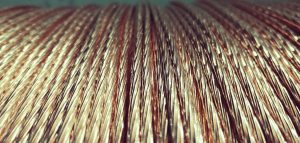
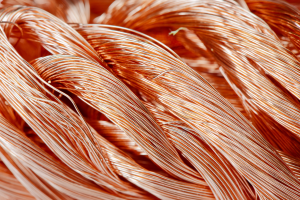
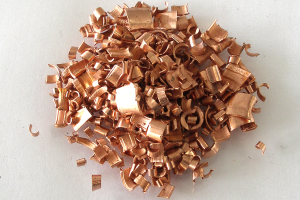
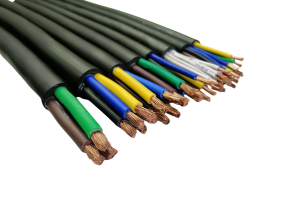
Bare copper wires are uncoated copper conductors used primarily for electrical applications. Unlike their insulated counterparts, which are covered with materials such as plastic or rubber, bare copper wires are left exposed without any protective layer. This allows the copper wire to conduct electricity efficiently, as copper itself is one of the best natural conductors of electrical current.
ASL Bare Copper Wires
The absence of insulation makes bare copper wires suitable for specific applications where insulation is not required or where the wire will be used in environments that do not require protection from external elements. Despite the lack of insulation, bare copper wires are still widely used in applications that demand high conductivity and reliability.
Key Features of Bare Copper Wires
High Electrical Conductivity
Copper is known for being one of the best conductors of electricity. Bare copper wires allow the flow of electrical current with minimal resistance, making them ideal for high-efficiency electrical circuits. The purity and conductivity of copper make these wires an essential choice in any electrical installation requiring reliable and fast transmission of electricity.
Durability and Longevity
Copper is a durable material that can withstand a range of environmental conditions. Bare copper wires are resistant to corrosion and can perform well in indoor or outdoor applications. While they are susceptible to oxidation (which can affect their appearance over time), copper wires still maintain their integrity and conductivity over the long term.
Malleability and Flexibility
Bare copper wires are relatively flexible and can be easily bent or shaped to fit specific needs. This flexibility is particularly valuable in installations where the wire must be routed through tight spaces or around corners. The malleability of copper ensures that the wire can be manipulated without breaking or losing its ability to conduct electricity.
Excellent Thermal Conductivity
Copper also offers great thermal conductivity, which allows it to efficiently transfer heat. This feature is essential in applications where heat dissipation is necessary, such as in electrical systems that involve high current flow.
Common Applications of Bare Copper Wires
Bare copper wires are used across many industries due to their excellent conductive properties and versatility. Below are some common applications of bare copper wires:
Electrical Wiring in Residential and Commercial Buildings
One of the most common uses for bare copper wire is in the electrical wiring of residential and commercial buildings. These wires are often used for grounding systems, where the purpose is to safely divert electrical surges to the earth. Grounding systems help prevent damage to electrical devices and ensure safety by directing excess electricity away from equipment in the event of a surge or short circuit.
Electrical Circuit Grounding
Bare copper wires are primarily used for grounding purposes in electrical systems. A grounding system ensures that in case of a fault or power surge, excess electricity is safely directed to the ground. This helps to protect sensitive equipment and prevent electrical fires. The high conductivity of bare copper wire ensures that the electrical current is quickly and efficiently directed to the ground.
Aerial and Underground Power Lines
Bare copper wires are used in the construction of power lines, both aerial and underground. In overhead lines, copper’s durability ensures that the wires can withstand the elements, including extreme temperatures and wind. In underground lines, bare copper wires are often used in situations where insulation would not be necessary or would complicate the installation.
Transformers and Electrical Components
Bare copper wires are used inside transformers, motors, and other electrical components where the need for insulation is not as critical. These wires allow for effective and efficient power transmission, contributing to the overall functionality of electrical systems and devices. Copper’s high thermal conductivity also helps in reducing heat buildup, improving the performance and longevity of the components.
Telecommunication and Data Transmission
While typically used for electrical power transmission, bare copper wires also have a place in the world of telecommunications. In some cases, copper wires are used in the construction of data transmission systems such as telephone lines and internet cabling. Copper’s ability to efficiently transmit signals over long distances has made it a staple in the telecommunication industry, despite the rise of fiber optic technology.
Solar Power Systems
Bare copper wires are also found in solar power systems, where they are used for connecting solar panels, batteries, and other components. In solar power systems, efficiency is key, and copper’s superior conductivity ensures that the system functions at its highest potential. Bare copper wires can help reduce energy losses and improve the overall efficiency of solar energy systems.
Advantages of Using Bare Copper Wires
Higher Conductivity
As mentioned earlier, copper has superior electrical conductivity, which allows for faster and more efficient energy transfer. This reduces energy loss and makes bare copper wires ideal for high-current applications, where efficient transmission of electricity is essential.
Lower Resistance
Bare copper wires have lower resistance compared to other materials like aluminum, ensuring a smoother flow of electricity and reducing the chances of overheating. This makes them ideal for power transmission and grounding, where the wire’s performance directly impacts the safety and reliability of the electrical system.
Flexibility and Ease of Installation
The malleability of copper allows bare copper wires to be easily installed in various configurations. Whether it’s bending the wire around corners, coiling it, or laying it flat, bare copper wires can be easily shaped without losing their strength or conductivity. This flexibility also reduces the likelihood of wire breakage during installation, making them a reliable option for electrical contractors and technicians.
Cost-Effective Solution
Although copper is generally more expensive than aluminum, bare copper wires offer long-term savings due to their superior conductivity, durability, and lifespan. These wires are more cost-effective in the long run because they require less maintenance, fewer replacements, and result in fewer energy losses.
ASL Wire & Cable: A Leading Manufacturer of Bare Copper Wires in Kenya
ASL Wire & Cable, a prominent manufacturer in Kenya, specializes in the production of high-quality bare copper wires. Known for their expertise in the wire and cable industry, ASL Wire & Cable offers durable, reliable, and efficient copper wire solutions to meet the diverse needs of Kenyan industries. From residential and commercial buildings to large-scale industrial projects, ASL’s bare copper wires are engineered to meet the highest standards of performance and safety.
ASL Wire & Cable’s bare copper wires stand out due to their exceptional conductivity, which is critical in minimizing power losses and ensuring the efficient transmission of electrical energy. The company’s commitment to quality ensures that each wire is manufactured using top-grade copper, ensuring longevity and maximum reliability.
ASL Wire & Cable also provides excellent customer support, offering tailored solutions for unique electrical wiring needs. Whether it’s for ground wires, aerial lines, or industrial applications, ASL’s bare copper wires deliver optimal performance. As Kenya continues to expand its infrastructure, ASL Wire & Cable’s products are poised to play a significant role in powering the country’s growth.
Conclusion
Bare copper wires play a crucial role in ensuring the efficient transmission of electrical energy. Whether used in residential, commercial, or industrial applications, these wires are known for their high conductivity, durability, and versatility. From grounding systems to power lines, telecommunications, and solar power systems, bare copper wires are indispensable in various industries. Their reliability, long-lasting performance, and adaptability make them a top choice for electrical installations around the world.
As industries continue to evolve and demand more efficient electrical solutions, the role of bare copper wires will only continue to grow, solidifying their place as a vital component in modern electrical systems. With manufacturers like ASL Wire & Cable leading the way in Kenya, the future of electrical wiring in the country looks brighter and more efficient than ever.
In Kenya’s dynamic industrial landscape, the choice of electrical cables is pivotal for ensuring safety, reliability, and operational efficiency. Among the myriad of cable options, PVC insulated cables have emerged as the preferred choice for various industries. Notably, companies like ASL Wire & Cable have set the benchmark in delivering superior PVC insulated cables that cater to Kenya’s unique industrial needs.
Durability in Harsh Conditions
Kenyan industries operate in diverse environments, from arid regions with extreme heat to humid coastal areas. PVC insulated cables are celebrated for their durability and resilience against these environmental factors. The robust PVC insulation provides:
High resistance to moisture and humidity, making them ideal for industries in coastal areas like Mombasa.
Exceptional heat resistance, ensuring performance in high-temperature settings such as manufacturing plants.
Resistance to mechanical stress, preventing wear and tear during installation and use.
ASL’s PVC insulated cables are specifically engineered to withstand these challenges, ensuring uninterrupted operations for their clients.
Flame Retardant Properties
In industries where fire hazards are a concern, the use of flame-retardant materials in cables is non-negotiable. PVC insulated cables from ASL are designed with flame-retardant properties, providing a critical layer of safety. These cables:
Reduce the risk of fire propagation.
Emit minimal smoke and toxic gases in case of fire, ensuring the safety of personnel and equipment.
Such features make PVC insulated cables indispensable for sectors like construction, oil and gas, and power generation, where fire safety standards are rigorously enforced.
Cost-Effective and Efficient
Cost efficiency is a significant consideration for industries operating within tight budgets. PVC insulated cables offer a compelling combination of affordability and performance. Compared to alternatives, they:
Have a longer lifespan, reducing the frequency of replacements.
Require minimal maintenance, saving costs over time.
Are easier to install, reducing labor costs.
ASL commitment to quality ensures that their PVC insulated cables provide optimal performance without compromising on affordability.
Custom Solutions for Diverse Applications
Kenyan industries span sectors such as construction, telecommunications, energy, and transportation. Each of these sectors has unique requirements for electrical cables. PVC insulated cables are highly versatile and adaptable, suitable for applications such as:
Power distribution in residential, commercial, and industrial buildings.
Wiring in control panels and machinery.
Telecommunication and data transmission systems.
ASL Wire & Cable goes a step further by offering customized solutions to meet the specific needs of their clients. Whether it’s a high-capacity cable for a power station or a compact cable for telecommunications, ASL delivers tailored products that align with industry demands.
Compliance with International Standards
Adherence to quality and safety standards is paramount for Kenyan industries looking to compete on a global scale. PVC insulated cables from ASL comply with both local and international standards, including:
KEBS (Kenya Bureau of Standards).
ISO certification.
IEC (International Electrotechnical Commission) guidelines.
This compliance ensures that industries using ASL’s PVC insulated cables meet regulatory requirements and maintain high-quality benchmarks in their operations.
Eco-Friendly Options
Sustainability is becoming a critical consideration for industries worldwide, and Kenya is no exception. PVC insulated cables are recyclable, reducing environmental impact. ASL Wire & Cable has embraced eco-conscious manufacturing practices, producing cables that:
Minimize waste during production.
Support recycling initiatives at the end of their lifecycle.
Are free from harmful substances, contributing to a safer environment.
This commitment to sustainability resonates with industries aiming to align their operations with global environmental goals.
Expertise and Support from ASL Cables
Choosing the right cable is only part of the equation; proper installation and maintenance are equally crucial. ASL’s cables stands out not just for their superior products but also for their exceptional customer support. Industries benefit from:
Technical guidance on selecting the right cables for specific applications.
On-site support during installation.
Comprehensive after-sales services.
This holistic approach ensures that clients derive maximum value from their investment in PVC insulated cables.
Real-World Applications of ASL PVC Insulated Cables
The impact of ASL’s PVC insulated cables can be seen across various industries in Kenya:
Construction: From high-rise buildings in Nairobi to residential estates, ASL’s cables power reliable electrical systems.
Energy: In renewable energy projects like solar farms, ASL’s cables ensure efficient power distribution.
Transportation: Railways and highways rely on ASL’s cables for lighting and signaling systems.
Conclusion
The preference for PVC insulated cables in Kenyan industries is a testament to their unparalleled performance, safety, and cost-efficiency. With leaders like ASL Wire & Cable driving innovation and quality in this sector, industries are assured of reliable electrical solutions tailored to their specific needs. As Kenya continues its journey toward industrialization and infrastructure development, the role of high-quality PVC insulated cables will remain indispensable.
In today’s world, where safety and reliability are paramount, the use of flame retardant cables has become an essential aspect of construction, infrastructure, and industrial applications. Flame retardant cables are specifically designed to resist the spread of fire, ensuring the safety of people and property. However, with the increasing demand for these cables, counterfeit products have found their way into the market, posing significant risks. Identifying genuine flame retardant cables is crucial to ensure safety and compliance with regulations. This guide provides insights on how to distinguish authentic flame retardant cables from substandard or counterfeit ones.
Understanding Flame Retardant Cables
Flame retardant cables are engineered with materials that inhibit or slow the spread of fire. Unlike regular cables, these are designed to self-extinguish and minimize the emission of toxic fumes and smoke during a fire incident. Their primary applications include:
Residential and commercial buildings
Industrial plants
Transportation systems
Energy and telecommunications infrastructure
The effectiveness of flame retardant cables lies in their composition, which includes special insulating materials, sheathing, and additives. Identifying genuine products requires a keen eye for detail and adherence to industry standards.
Key Features of Genuine Flame Retardant Cables
Markings and Labeling:
Genuine cables are marked with clear and precise labels indicating their specifications, including type, size, voltage rating, and flame retardant properties.
Look for certifications or compliance marks from recognized bodies such as IEC & BS
Manufacturing Standards:
Authentic flame retardant cables comply with international or local manufacturing standards. Examples include:
IEC 60332 (Tests on electric and optical fiber cables under fire conditions)
BS EN 50266 (Fire tests on cables)
Always check for these standard references on the product or accompanying documentation.
Material Quality:
Genuine cables use high-quality materials for insulation and sheathing, such as low smoke zero halogen (LSZH) compounds.
They are resistant to heat, chemicals, and physical wear.
Uniform Construction:
Authentic cables exhibit consistent construction, with no irregularities in the insulation or sheathing.
The copper or aluminum conductor should be smooth and uniformly stranded.
Packaging:
Reputable manufacturers package their products with branded, tamper-proof materials that include all relevant details.
Counterfeit products often come in generic or poorly sealed packaging.
Tips for Identifying Genuine Flame Retardant Cables
1. Verify the Manufacturer
Purchase cables from well-known and trusted manufacturers like ASL.
Check the manufacturer’s credentials, including certifications and track records.
Avoid unbranded or obscure products without any traceable origin.
2. Request Documentation
Genuine flame retardant cables come with detailed product specifications, test reports, and compliance certificates.
Always request these documents before making a purchase if not sure.
3. Perform Physical Checks
Inspect the cable’s surface for smoothness and consistency.
Bend the cable to test its flexibility and resilience; genuine cables are less likely to crack or deform.
Scratch the surface of the sheath gently to ensure the material quality.
4. Conduct Flame Retardancy Tests
If feasible, perform a controlled flame test. Genuine flame retardant cables will self-extinguish when the flame source is removed.
Note: This should only be done under safe and controlled conditions.
5. Engage Experts
Seek assistance from certified electricians or engineers to evaluate the cables.
Professionals can identify subtle signs of substandard cables that may go unnoticed.
Risks of Using Counterfeit Flame Retardant Cables
Using counterfeit or substandard flame retardant cables can lead to:
Fire Hazards: Fake cables may fail to contain or resist fire, increasing the risk of fire spread.
Legal Issues: Non-compliance with safety standards can lead to legal liabilities and penalties.
Equipment Damage: Substandard cables can overheat, causing damage to connected equipment.
Higher Costs: Frequent replacements and potential fire damage result in increased costs.
Health Risks: Counterfeit cables may emit toxic fumes during a fire, endangering lives.
Benefits of Choosing Genuine Flame Retardant Cables
Investing in authentic flame retardant cables provides:
Enhanced Safety: Minimized fire risk and reduced smoke/toxic emissions.
Long-Term Durability: High-quality materials ensure longer service life.
Regulatory Compliance: Adherence to industry standards ensures smooth inspections and approvals.
Peace of Mind: Confidence in the safety and performance of the electrical system.
Trusted Suppliers Make a Difference
When purchasing flame retardant cables, always source from reputable suppliers who are known for their quality and reliability. Companies like ASL Wire & Cable in Kenya specialize in providing certified and high-performance cables that meet stringent safety standards.
Conclusion
The importance of using genuine flame retardant cables cannot be overstated. With the safety of lives and property at stake, identifying and investing in authentic products is essential. By paying attention to labeling, material quality, certifications, and trusted suppliers, you can ensure that your electrical installations are safe, reliable, and compliant. Remember, cutting corners on quality is never worth the risk when it comes to fire safety.
Stay Wires Role in Supporting Infrastructure Development in Kenya
Stay wires play a crucial role in the stability and safety of our infrastructure, acting as unsung heroes that support structures ranging from bridges to towers. These vital components, often made from high-strength materials, provide the necessary tension to ensure that these structures remain upright and secure against various forces
In Kenya, the manufacture of stay wires has become a beacon of innovation and resilience. Local manufacturers like ASL are not only meeting the growing demand for quality construction materials but also contributing to sustainable development by utilizing local resources and expertise. The use of stay wires enhances the durability of our infrastructure projects, allowing them to withstand environmental challenges while promoting economic growth.
Infrastructure development is a cornerstone of economic growth and social progress. From towering power lines to resilient telecommunication masts, the backbone of Kenya’s rapid development often relies on unseen heroes like stay wires. These wires, though less conspicuous than the structures they support, play an indispensable role in ensuring the stability, safety, and longevity of critical infrastructure.
This blog explores the role of stay wires in Kenya’s infrastructure development, their key applications, and why high-quality stay wires are essential for the country’s progress.
What Are Stay Wires?
Stay wires, also known as guy wires, are tensioned cables designed to provide structural support to tall or load-bearing structures. They are typically made from high-tensile steel and are anchored to the ground to stabilize structures like utility poles, transmission towers, and masts against environmental stresses such as wind, weight, and vibrations.
In essence, stay wires act as the invisible forces that prevent structures from toppling, ensuring they remain steadfast even in challenging conditions.
Applications of Stay Wires in Kenya
Stay wires are integral to various sectors driving Kenya’s infrastructure development:
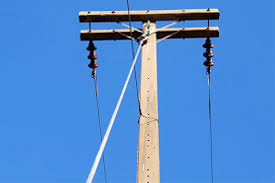
Power Distribution and Transmission Kenya’s expanding electricity grid relies heavily on utility poles and transmission towers to carry power across the nation. Stay wires support these poles, ensuring they withstand the weight of overhead cables and environmental factors like strong winds.
stay wire on power lines
Telecommunication Towers With the growing demand for reliable mobile and internet connectivity, telecommunication towers are sprouting across urban and rural areas. Stay wires stabilize these masts, allowing uninterrupted signal transmission even in adverse weather.
Street Lighting and Traffic Signals Urbanization and road infrastructure development have led to increased installation of streetlights and traffic signals. Stay wires help anchor these poles, preventing misalignment or collapse.
Railway and Transport Infrastructure Overhead line equipment for electric trains and communication signals in railway networks also depend on the stability provided by stay wires.
Wind Turbines and Renewable Energy Projects In renewable energy installations, particularly wind turbines, stay wires provide additional support to withstand dynamic wind forces.
Why Stay Wires Are Crucial for Kenya’s Development
1. Structural Stability and Safety
Stay wires are vital for maintaining the structural integrity of tall and slender installations. They counteract the forces that could cause poles or masts to bend or fall, reducing the risk of infrastructure failure.
2. Enabling Infrastructure Expansion
As Kenya continues to grow its power grid and telecommunications network, stay wires facilitate the erection of poles and towers in diverse terrains, from flatlands to hilly regions.
3. Cost-Effective Solutions
Using stay wires to stabilize structures is more economical than constructing self-supporting towers, allowing for widespread infrastructure deployment even in budget-constrained projects.
4. Adapting to Environmental Challenges
Kenya’s varied climate, including strong winds in coastal areas and heavy rains in highlands, makes stay wires indispensable for ensuring infrastructure withstands natural forces.
The Qualities of High-Performance Stay Wires
To ensure reliability, stay wires must meet specific standards. High-quality stay wires exhibit the following characteristics:
High tensile strength to withstand significant tension without snapping.
Corrosion resistance, essential for durability, especially in Kenya’s humid and coastal regions.
Weather resistance to perform under extreme temperatures, heavy rain, and strong winds.
Ease of installation to facilitate quick and efficient infrastructure deployment.
The Role of Kenyan Manufacturers Like ASL Wire & Cable
Local manufacturers such as ASL Wire & Cable play a crucial role in supporting Kenya’s infrastructure development by producing premium-quality stay wires tailored to the country’s unique needs. By adhering to stringent quality standards, ASL ensures that its stay wires provide:
Exceptional strength for long-term performance.
Compatibility with various applications, from power distribution to telecommunications.
Affordability and accessibility for infrastructure developers across Kenya.
Moreover, sourcing stay wires locally reduces reliance on imports, promotes local industry growth, and ensures timely delivery for critical projects.
Stay Wires: Powering Kenya’s Vision 2030
Kenya’s Vision 2030 emphasizes robust infrastructure as a key enabler of economic and social transformation. Stay wires are an integral part of this journey, supporting projects that connect people, power businesses, and drive innovation. From rural electrification programs to urban connectivity projects, stay wires provide the silent yet essential support that keeps Kenya moving forward.
Conclusion
Stay wires may not always take the spotlight, but their role in supporting Kenya’s infrastructure cannot be overstated. As the nation continues to invest in power, telecommunications, and transport networks, the demand for reliable stay wires will only grow. By prioritizing quality and innovation, manufacturers like ASL Wires & Cables are helping Kenya build a stable, connected, and prosperous future.
Whether stabilizing a towering mast or a simple utility pole, stay wires remain the unsung heroes of infrastructure development, anchoring Kenya’s progress one project at a time.
ASL Electrical Cables: Powering Reliable and Safe Electrical Systems in Kenya
In Kenya, as in many parts of the world, electrical infrastructure is a critical element in supporting everyday life and business operations. From powering homes and industries to supporting renewable energy systems, quality electrical cables are at the core of all electrical systems. ASL Electrical Cables has emerged as a trusted leader in the manufacture and supply of high-quality electrical cables in Kenya, ensuring that every project, whether residential, commercial, or industrial, is powered safely and efficiently.
1. Why Choose ASL Electrical Cables?
ASL Electrical Cables has established a reputation for producing cables that meet both local and international standards for safety, performance, and reliability. Here are a few reasons why ASL cables are a preferred choice for electrical installations in Kenya:
Compliance with International Standards: ASL cables are manufactured to meet strict safety and quality standards, ensuring that each product is reliable and safe to use in various applications. ASL products adhere to global standards, such as IEC (International Electrotechnical Commission) and KEBS (Kenya Bureau of Standards).
Wide Range of Cables: Whether you need cables for residential wiring, industrial applications, or heavy-duty electrical projects, ASL offers a broad range of products. From low-voltage power cables to specialized cables for renewable energy solutions like solar systems, ASL provides comprehensive options that suit every need.
Durability and Longevity: ASL cables are designed for long-lasting performance. With features like flame retardancy, weather resistance, and excellent insulation properties, they ensure a longer lifespan, reducing the need for frequent replacements and minimizing maintenance costs.
2. The Variety of ASL Electrical Cables
ASL offers a diverse range of electrical cables, each designed for specific applications. Whether for light residential wiring or powering large industrial equipment, ASL cables are engineered to perform reliably under different conditions.
Power Cables: ASL manufactures a variety of power cables suitable for both low-voltage and high-voltage applications. These cables are ideal for residential, commercial, and industrial use, providing a stable and efficient power supply.
Wiring Cables: From simple household wiring to more complex systems in commercial buildings, ASL’s wiring cables are flexible, durable, and safe for installation in walls, ceilings, and floors.
Armored Cables: For installations that require extra protection, ASL offers armored cables. These are designed to withstand mechanical damage, making them ideal for industrial environments or areas with high foot traffic or risk of physical impact.
Solar Cables: With the growing interest in renewable energy, ASL has expanded its product range to include high-quality solar cables. These cables are specifically designed to handle the unique demands of solar power systems, offering UV resistance, durability, and safe power transmission in outdoor conditions.
PVC Insulated Cables: PVC-insulated cables are widely used due to their flexibility, affordability, and high insulating properties. ASL’s PVC cables are perfect for various residential, commercial, and industrial applications, providing safe and reliable connections.
3. Quality Assurance and Testing
The quality of electrical cables is critical for safety, especially when dealing with high-voltage applications. ASL Electrical Cables employs strict quality control procedures to ensure that their products are safe and reliable:
Rigorous Testing: Each batch of cables undergoes extensive testing to ensure they meet international safety and quality standards. Tests include checks for insulation integrity, electrical conductivity, flame resistance, and mechanical durability.
Advanced Manufacturing Processes: ASL uses state-of-the-art technology in the production of their cables, which includes automated machinery for precise manufacturing. This ensures consistent product quality with every batch.
Quality Certifications: ASL’s electrical cables are certified by various local and international bodies, including KEBS (Kenya Bureau of Standards), IEC, and ISO. These certifications confirm that ASL products comply with global safety and environmental standards, providing peace of mind to customers.
4. Applications of ASL Electrical Cables
ASL Electrical Cables are used across a variety of sectors, powering everything from homes to large-scale industrial operations. Here’s a look at how ASL cables are used in different applications:
Residential Wiring: ASL provides the right cables for home installations, from lighting to power distribution systems. Their cables ensure safe and reliable electricity in homes, minimizing electrical hazards.
Commercial Buildings: In office buildings, shopping malls, and hotels, ASL electrical cables are used for powering lighting, elevators, HVAC systems, and security systems. The durability and flexibility of these cables ensure smooth and efficient operation of commercial facilities.
Industrial Use: ASL’s industrial-grade cables are built to withstand heavy-duty applications. These include powering machinery, equipment, and automation systems in factories, warehouses, and processing plants. The cables are designed to be resistant to chemical exposure, heat, and mechanical stress, ensuring maximum safety and longevity.
Renewable Energy Systems: ASL cables are widely used in solar panel installations, providing the essential power connections between solar panels, inverters, and battery storage systems. These cables are specially designed to withstand UV exposure and outdoor weather conditions.
5. The ASL Advantage
Choosing ASL Electrical Cables for your project ensures several advantages:
Expert Guidance: ASL offers technical support and guidance to help customers choose the right cables for their specific needs. Whether you’re an electrician, contractor, or homeowner, their team is ready to assist with product selection and installation advice.
Competitive Pricing: ASL offers competitive pricing without compromising on quality. Their affordable cables make them an attractive option for both small and large-scale projects.
Fast Delivery: With a strong distribution network in Kenya, ASL ensures that customers receive their cables promptly. This is especially important for construction projects that are on a tight schedule.
Eco-Friendly Practices: ASL is committed to environmental sustainability, employing eco-friendly manufacturing processes and using recyclable materials where possible. This is part of their effort to reduce the environmental impact of electrical installations in Kenya.
6. Conclusion
ASL Electrical Cables has built a strong reputation in Kenya for delivering high-quality, reliable, and safe electrical cables. Whether you’re powering a home, office, factory, or solar installation, ASL offers a wide range of cables designed to meet your needs. With their commitment to safety, durability, and customer satisfaction, ASL remains a leading choice for anyone in need of electrical cables in Kenya.
For more information about ASL Electrical Cables and to view their range of products, visit ASL Cable & Wire. Power your projects with ASL, where quality meets safety and efficiency.